Did you know, that in the bustling corporate world of India, employees often expect a salary increase of nearly 10% to 15% annually?
Here's something that might change your mind about employee compensation: it's not just about the paycheck. Employee benefit expenses play a pivotal role, weaving into the very fabric of staff welfare and organizational success.
What are employee benefit expenses? Simply put, these are the extra perks companies offer their employees, over and above their regular salaries. Think of health insurance, retirement plans, corporate wellness programs, or even gym memberships that keep the workforce healthy and motivated. These aren't just goodies; they're strategic tools for businesses to attract, retain, and nurture the best talent.
Why does this matter to both staff and companies? For employees, it's about feeling valued and cared for. For organizations, offering a comprehensive staff welfare expenses list is more than generosity; it's a business strategy that can lead to lower turnover rates and higher job satisfaction.
What are employee benefit expenses?
Employee benefit expenses are like the extra toppings on your favorite pizza. Just as toppings enhance the taste, these benefits enhance the overall job experience. They are the additional perks given to employees on top of their regular salary. Examples include corporate health insurance, paid vacations, and bonuses. But why do companies offer these? To keep employees happy and committed to their work!
Types of employee benefits
Let us break it down into two main categories:
- Statutory Benefits: These are like the base of the pizza – essential and mandatory. In India, for example, companies must provide certain benefits by law, such as the Employees’ Provident Fund (EPF), health insurance, and paid maternity leave. These are the non-negotiable parts of the employee benefits package.
- Voluntary Benefits: These are the extra cheese and toppings. They are not required by law but are offered to make the company more attractive. Think of things like extra paid leave, education allowances, or gym memberships. Companies use these to stand out and keep their employees extra happy.
Why do employee benefits matter?
Imagine working where you only get paid in cash. Now, imagine another place where, apart from cash, you also get health insurance, extra vacation days, and maybe even a gym membership. Which sounds better? The second one, right? These benefits show that a company values its employees beyond just their immediate work output.
In the Ledger
In the profit and loss statement, employee benefit expenses show up as a significant figure. They’re not just costs; they are investments in the company’s most valuable asset – its people. By investing in employees, companies build a more loyal, productive workforce.
In summary, employee benefit expenses are a crucial part of the staff welfare expenses list, covering everything from the essential statutory benefits to the additional voluntary perks that make a workplace desirable.
The role of employee benefit expenses in profit and loss
Employee benefit expenses are a big deal in a company’s finances. Think of them like the seeds a farmer plants. They cost money upfront, but they can grow into something great. These expenses are things like wages, health care, and retirement savings.
On the Finance Sheet
These costs show up in a big way on the profit and loss statement. They are the money a company spends on its team, its most valuable asset. For example, short-term benefits like pay and bonuses appear as costs right away. They reduce the company’s profit for that period but are vital for keeping employees happy and loyal.
In the Company's Books
The company keeps a close watch on these costs. Money spent on things like provident funds or health insurance is listed as an expense. It lowers the profit but is essential for a satisfied workforce. Accounting rules help make sure these expenses are shown correctly in the financial reports.
In short, employee benefit expenses impact a company’s financial health. They are an investment in the workforce that can lead to success in the long run. Understanding and managing these costs is key to keeping a balance between spending and maintaining a happy, productive team.
Advantages of offering staff welfare benefits
Offering employee benefits or staff welfare benefits has significant advantages that contribute to both employee well-being and organizational success. Here’s how they make a difference:
- Employee Retention and Loyalty: A focus on employee benefits has proven to be a high-priority initiative for organizations. About 93% of companies view-enhancing employee engagement and experience as crucial. A well-structured employee benefits approach sustained over time, can significantly boost employee retention, as evidenced by 64% of firms that have had a consistent benefits strategy for over three years.
- Enhanced Productivity and Company Culture: The right employee benefits can lead to improved wellness and job satisfaction. The Value on Investment (VOI) method suggests that benefits programs contribute to an improved culture of wellness, better health behaviours, and higher employee engagement, enhancing productivity. The focus is on preventing health issues for most staff, moving beyond just covering costs for those who are ill or injured.
- Healthcare and Wellness: With 43% of Indian employees suffering from conditions like depression and obesity, comprehensive healthcare becomes a pivotal benefit. Moreover, nearly 75% of companies believe that preferred provider network hospitals help manage the rising healthcare costs. These statistics underline the importance of including healthcare and corporate wellness programs in the employee benefits package.
Incorporating these benefits into the employee welfare program not only supports the staff’s physical and mental health but also fosters a loyal, engaged, and productive workforce, ultimately benefiting the company's bottom line and enhancing its culture.
Types of employee benefit expenses
Employee benefits can be broadly categorized into two types: statutory and voluntary. Here’s a simple table to show the differences:
| Type |
Statutory Benefits |
Voluntary Benefits |
| Description |
Required by law and mandatory for employers to provide. |
Offered by employers to attract and retain employees, not mandated by law. |
| Examples |
- Employees' Provident Fund (EPF)
- Health Insurance
- Paid Maternity Leave |
- Bonus Plans
- Paid Vacations
- Gym Memberships |
Purpose |
Ensure a basic level of welfare for all employees. |
Enhance job satisfaction and loyalty, and attract top talent. |
Statutory benefits are the minimum standard set by legislation, aiming to protect employees' welfare, such as health insurance and retirement plans. These are non-negotiable and must be provided by every employer to their employees.
Voluntary benefits, on the other hand, go above and beyond the legal requirements. They include extras like bonus plans, company cars, or employee wellness programs. These benefits are often tailored to the needs and preferences of employees, helping companies to stand out as employers of choice.
Managing employee benefit expenses effectively
To manage employee benefit expenses efficiently, companies can employ several strategies to balance cost-effective benefits planning and ensure the financial sustainability of their benefit programs:
- Automate and streamline processes: By automating employee benefits processes, companies can reduce administrative costs, minimize human errors, and improve overall efficiency. This includes automating tasks like benefits enrollment, data entry, and integrating systems like payroll and HR to create a seamless flow of information.
- Intelligent employee benefits design: Tailoring health benefits to fit the specific needs of the workforce while keeping budget constraints in mind can lead to significant cost savings. For example, offering high-deductible health plans with Health Savings Accounts (HSAs) can encourage employees to make informed healthcare decisions, potentially reducing overall healthcare costs
- Emphasize preventive care and employee Wellness Programs: Investing in preventive care and wellness programs can reduce long-term healthcare costs by decreasing the likelihood of chronic diseases and costly medical treatments. Such programs also improve employee morale and productivity, further benefiting the organization.
- Utilize data analytics: Analyzing healthcare usage and cost data helps in identifying trends, high-cost areas, and opportunities for savings, enabling more informed decision-making regarding benefit designs and employee wellness initiatives.
- Employee engagement and education: Engaging employees in healthcare decisions and educating them about their benefits can lead to more cost-effective healthcare choices. Understanding their benefits helps employees make better decisions, reducing unnecessary expenses.
- Regular review and adaptation: The healthcare landscape is continually evolving, necessitating regular reviews and adaptations of healthcare plans and programs in response to changing trends, employee needs, and regulatory requirements.
By implementing these strategies, companies can manage their employee benefit expenses more effectively, ensuring a balance between providing quality care for their employees and maintaining financial health.
Case Studies of Successful Employee Benefit Programs
- Airbnb: Known for its innovative approach, Airbnb offers employees a $2,000 annual travel credit, comprehensive health benefits, and generous paid parental leave, among other perks. This robust benefits package supports employee well-being and encourages a balanced lifestyle (Empuls).
- Zappos: Zappos is celebrated for fostering personal and professional development through its "Zappos Culture Academy," which offers training and workshops. Additionally, they promote community engagement with paid volunteer time, enhancing employee satisfaction and company culture (Empuls).
- Costco: Costco is recognized for offering competitive wages, regular salary increments, comprehensive health insurance, and flexible scheduling, promoting financial stability and work-life balance for its employees. Their approach to prioritizing internal promotions and career growth opportunities contributes to high employee retention rates (Empuls).
- Starbucks: Starbucks' "Bean Stock" program allows eligible employees to own a part of the company, aligning their success with the company's performance. They also provide extensive health coverage and educational opportunities, including full tuition coverage for an online bachelor’s degree, fostering employee loyalty and engagement (Empuls).
These examples illustrate how companies can successfully integrate comprehensive and unique benefits into their culture, leading to improved employee satisfaction and overall company success. By investing in the well-being of their workforce, these companies have created positive work environments that attract and retain top talent.
Example: Cost of employee benefits per employee
To truly understand employee benefits, it’s important to look at the actual cost to the company, not just the salary.
Here’s a simple example of how employee benefits in India add up:
- Salary: ₹10,00,000
- Health Insurance (Group Health Policy): ₹25,000
- Provident Fund (Employer Contribution): ₹1,20,000
- Wellness Programs (mental health, fitness, etc.): ₹10,000
Total Cost to Company (CTC): ₹11,55,000
This shows that employee benefit expenses are a significant part of overall compensation. For employers, this is an investment in employee well-being. For employees, many of these benefits often go unnoticed, even though they add substantial value beyond take-home salary.
Are employee benefits part of CTC?
Yes, most employee benefits in India are included in the Cost to Company (CTC).
CTC is not just the salary credited to an employee’s account, it also includes the cost incurred by the employer on various benefits.
What’s typically included?
- Health insurance premiums
- Employer contributions to PF and gratuity
- Bonuses and incentives
- Wellness and engagement programs
There is often a gap between actual cost and perceived value:
- Employer perspective: Benefits increase overall compensation cost
- Employee perspective: Focus remains on in-hand salary
This gap highlights the importance of communicating employee benefits clearly. When employees understand the full value of their benefits package, it improves satisfaction, trust, and retention.
In the end
In conclusion, managing employee benefits expenses effectively is crucial for financial stability and fostering a positive workplace culture. Companies like Airbnb, Zappos, and Starbucks demonstrate the significant impact of well-structured benefit programs on employee satisfaction and company success. As we look to the future, trends indicate a shift towards more personalised, flexible benefits that align with the workforce's diverse needs. Integrating innovative benefits that promote work-life balance, wellness, and professional development will be key to attracting and retaining top talent.
How Pazcare helps companies optimize benefit costs?
Managing employee benefit expenses effectively can be complex, especially with rising healthcare costs and evolving workforce expectations. This is where Pazcare helps organizations design smarter employee benefits in India.
Centralized dashboard
Pazcare provides a single platform to manage all employee benefits from group health insurance to corporate wellness programs. HR teams get complete visibility and control without juggling multiple vendors or systems.
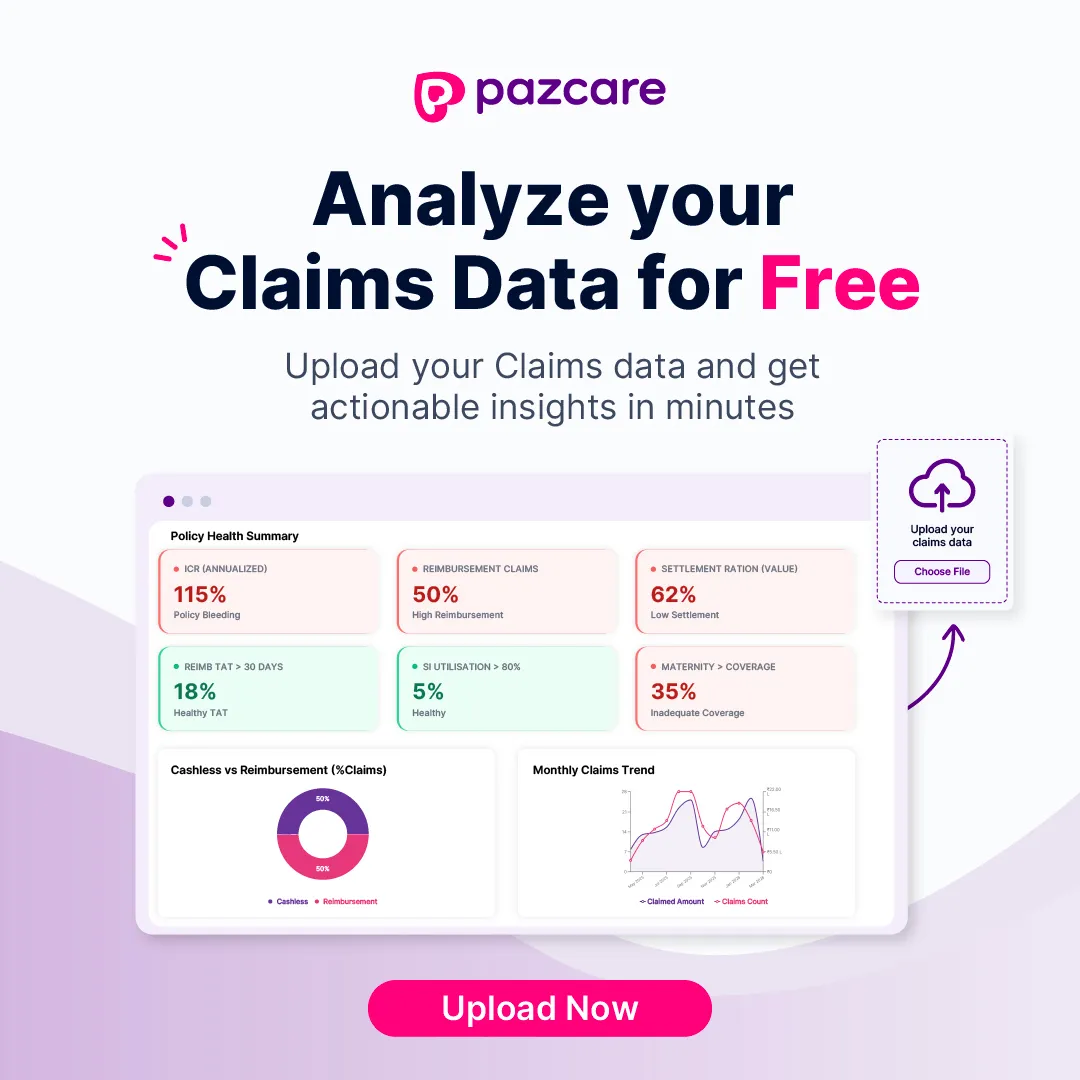
Data-driven insights
With real-time data and analytics, companies can track:
- Employee Benefit utilization
- Claims trends
- Cost drivers
This helps in making informed decisions and eliminating underutilized benefits.
Custom plan design
Pazcare enables companies to design flexible and customized employee benefit plans based on employee demographics, needs, and budget ensuring higher engagement and value.
Cost control & optimization
By identifying inefficiencies and optimizing coverage, Pazcare helps businesses:
- Reduce unnecessary spending
- Improve ROI on benefits
- Balance cost with employee satisfaction







.svg)
.svg)