A silent health crisis is rising among working women. Conditions like thyroid disorders, anemia, and metabolic imbalance are increasing but often go unnoticed.
Most symptoms are subtle and easily ignored. Fatigue, weight changes, and low energy are often mistaken for stress or workload.
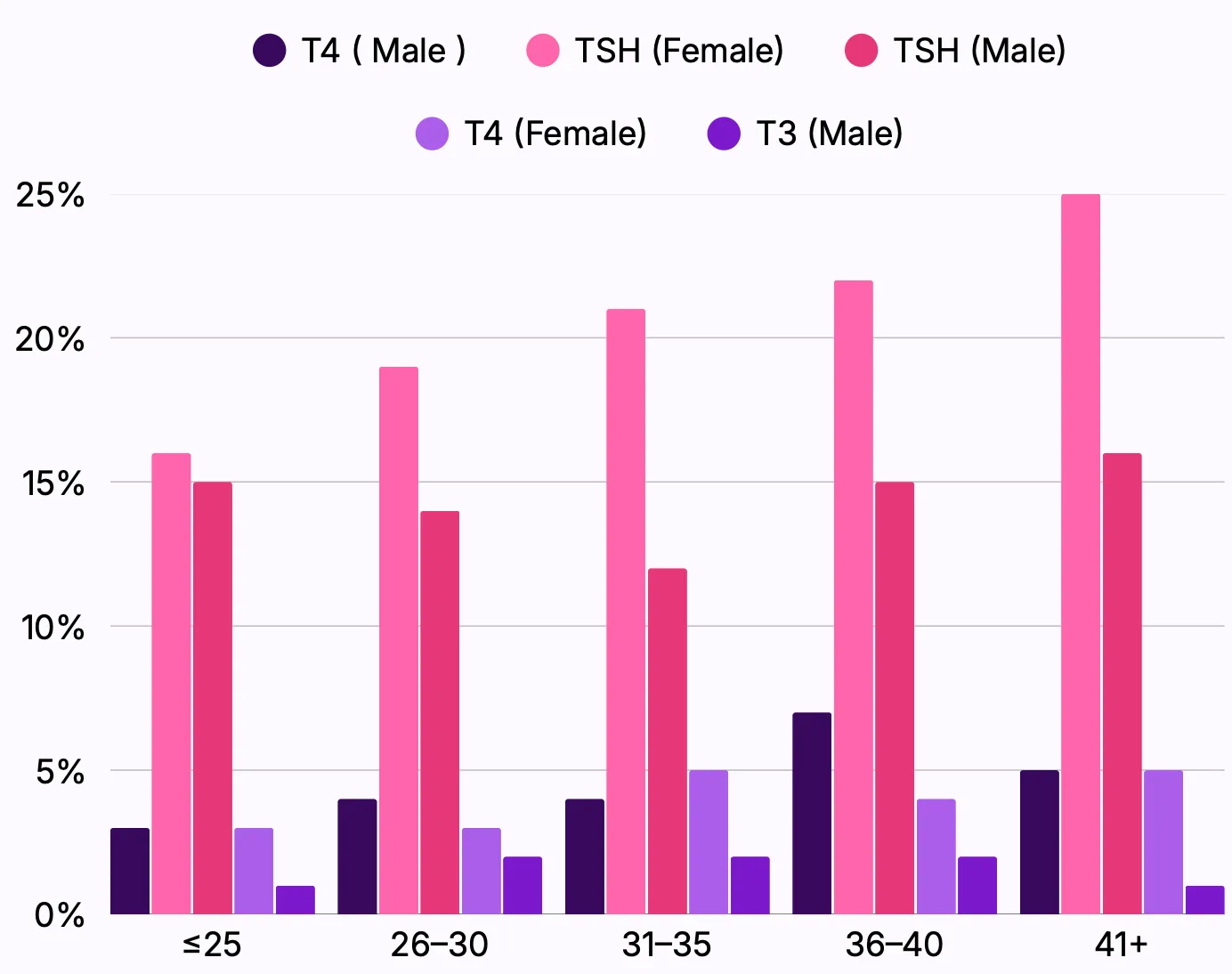
Thyroid issues are more common than expected. Nearly 1 in 5 women in their early 30s show early signs of thyroid dysfunction.
Anemia remains the most widespread condition. Up to 42% of women have low or suboptimal hemoglobin levels, impacting energy and productivity.
A silent health crisis is rising among working women. Conditions like thyroid disorders, anemia, and metabolic imbalance are increasing but often go unnoticed.
Most symptoms are subtle and easily ignored. Fatigue, weight changes, and low energy are often mistaken for stress or workload.
Thyroid issues are more common than expected. Nearly 1 in 5 women in their early 30s show early signs of thyroid dysfunction.
Anemia remains the most widespread condition. Up to 42% of women have low or suboptimal hemoglobin levels, impacting energy and productivity.
Introduction: The hidden health risks women carry to work
In many workplaces today, employee health conversations focus on stress, burnout, or mental health. While these are important, a quieter and often overlooked health crisis is unfolding among working women hormonal and metabolic disorders that develop silently over time.
Conditions such as thyroid dysfunction, anemia, and metabolic imbalance are increasingly being detected in workplace health screenings. These issues rarely appear suddenly. Instead, they develop gradually, often years before symptoms become severe enough to require medical intervention.
The Employee Health Matters Report 2026 highlights a concerning pattern: multiple early health indicators are appearing in women aged 20–40.
Screening data shows that a significant portion of working women already carry early warning signs such as:
Low hemoglobin levels
Thyroid hormone irregularities
Cholesterol abnormalities
Early metabolic dysfunction
What makes the problem more serious is that these conditions rarely occur in isolation. Many women experience multiple overlapping health risks simultaneously, creating what experts describe as metabolic drift.
For organizations, this silent health burden can translate into reduced productivity, increased healthcare costs, and higher maternity complications. For employees, it can mean years of unexplained fatigue, weight changes, hormonal imbalance, and long-term health risks.
Understanding these conditions is the first step toward preventing them.
Thyroid disorders in working women: A growing concern
The thyroid gland plays a crucial role in regulating the body’s metabolism, energy levels, hormone balance, and temperature control. Located in the neck, this small butterfly-shaped gland produces hormones that influence nearly every system in the body.
When the thyroid does not function properly, it can lead to two common conditions:
Hypothyroidism – when the thyroid produces too little hormone Hyperthyroidism – when it produces too much
Among working women, hypothyroidism is significantly more common.
Symptoms often develop slowly and can be mistaken for lifestyle stress or fatigue. These may include:
Persistent tiredness
Unexplained weight gain
Hair loss
Mood changes or depression
Irregular menstrual cycles
Difficulty concentrating
Because these symptoms are subtle, many women do not realize they have a thyroid problem until it is detected through blood tests.
Workplace screening data suggests that thyroid issues are appearing earlier than expected.
By age 31–35, nearly 1 in 5 women show abnormal TSH levels, an early indicator of thyroid dysfunction.
Thyroid disorders account for 8.8% of endocrine hospitalizations.
Over 60% of thyroid-related claims occur in women.
Thyroid dysfunction also influences several other metabolic processes, including:
Cholesterol regulation
Blood sugar balance
Weight management
Hormonal stability
Because of these connections, untreated thyroid disorders can indirectly contribute to broader metabolic problems.
Anemia: The most common but most ignored condition
Anemia is one of the most widespread health conditions affecting women worldwide, yet it remains one of the most overlooked in workplace health programs.
Anemia occurs when the body does not have enough healthy red blood cells or hemoglobin to carry oxygen efficiently throughout the body. When oxygen delivery is reduced, the body’s tissues and organs cannot function at full capacity.
This leads to symptoms such as:
Chronic fatigue
Weakness
Shortness of breath
Frequent headaches
Reduced concentration
Pale skin
For working professionals, anemia can significantly impact productivity, cognitive performance, and overall well-being.
The most common causes of anemia include:
Iron deficiency Often linked to poor dietary intake or blood loss.
Vitamin B12 deficiency Common in individuals with vegetarian diets or absorption issues.
Folate deficiency Often related to poor nutrition.
Workplace health screening data reveals that anemia is far more common than most organizations realize.
The report indicates that:
Up to 42% of women show suboptimal hemoglobin levels.
Hemoglobin abnormalities affect around 8.6% of women aged 20–30, increasing further with age.
Women account for 56.9% of anemia-related hospitalizations.
Because anemia develops gradually, many women adapt to the symptoms without realizing something is wrong. The fatigue is often attributed to long work hours, stress, or lack of sleep.
However, untreated anemia can lead to serious complications over time, including immune weakness, pregnancy complications, and severe fatigue that affects work performance.
Understanding metabolic drift
While thyroid disorders and anemia are important health concerns on their own, an even larger issue lies in how these conditions interact with broader metabolic changes.
Metabolic drift refers to the gradual deterioration of the body’s metabolic systems over time. It does not occur suddenly. Instead, it develops slowly due to lifestyle factors such as:
Sedentary work environments
Irregular eating patterns
Chronic stress
Poor sleep quality
Processed food consumption
These factors disrupt how the body regulates energy, hormones, and blood sugar.
Early signs of metabolic drift include abnormalities in markers such as:
Nearly 1 in 3 women carry two or more of these health markers simultaneously.
This overlap signals that metabolic health is already shifting in a risky direction, even if the individual feels otherwise healthy.
Left unaddressed, metabolic drift can eventually lead to conditions such as:
Diabetes
Cardiovascular disease
Hormonal disorders
Fertility challenges
Why do these health issues matter for pregnancy and maternity outcomes?
Women’s metabolic health plays a crucial role in pregnancy outcomes. Many complications that appear during pregnancy actually originate from metabolic imbalances that develop years earlier.
According to the report:
1 in 2 pregnancies in India is now considered high-risk.
Underlying factors often include:
Thyroid dysfunction
Iron deficiency anemia
Cholesterol abnormalities
Blood sugar irregularities
For example:
Abnormal HDL cholesterol is strongly linked to pregnancy complications.
Thyroid imbalance increases the risk of miscarriage and preeclampsia.
Anemia can lead to premature birth and low birth weight.
This explains why maternity-related claims represent a large portion of corporate healthcare spending.
In fact, maternity accounts for approximately 20% of all hospitalizations in corporate health insurance datasets.
These statistics highlight that women’s preventive health is not just a medical issue, it is also a critical workplace health concern.
Why should organizations pay attention?
When health conditions like thyroid disorders and anemia are not detected early, they do not just affect the employee’s health, they also impact the workplace.
These conditions usually develop slowly and may go unnoticed for years. But over time, they can create several challenges for organizations.
Lower productivity Employees with thyroid problems or anemia often experience constant fatigue, low energy, and difficulty concentrating. This can make it harder for them to stay focused and perform at their best during the workday.
More sick leaves When these conditions are untreated, employees may feel unwell more often. This can lead to frequent doctor visits or medical leave, which affects team productivity and workflow.
Higher insurance and healthcare costs If health issues like anemia or thyroid disorders are not treated early, they can develop into more serious problems that require hospitalization or long-term treatment. This increases healthcare and insurance costs for organizations.
Higher maternity risks Hormonal and metabolic issues such as thyroid imbalance or anemia can also lead to complications during pregnancy. This may increase maternity-related healthcare expenses for employers.
How Pazcare helps organizations address women’s health risks?
Preventing health issues like thyroid disorders, anemia, and metabolic imbalance requires more than just an annual health checkup. What organizations need is a structured approach that identifies risks early and ensures employees receive the right care and follow-up.
Health reports can often be confusing for employees. Pazcare ensures that employees not only receive their reports but also understand what the results mean.
Instead of waiting for health issues to worsen, Pazcare focuses on early intervention. Employees with abnormal screening results can receive timely support.
Palak is passionate about driving conversations around employee health, wellness, and HR trends. With experience in content and growth strategy, her insights have been published in leading platforms, including The Times of India. Through her writing, she shows how small shifts in employee benefits can create lasting impact on workplace health and productivity.
Follow on:
Thanks for subscribing! If it’s your first time, check your inbox. Otherwise, you’re already on our list
Oops! Something went wrong while submitting the form.
Ready to give yourself and your team the best employee benefit experience?
What are the symptoms of thyroid problems in females?
Thyroid issues in women often develop gradually and can be easy to overlook. Common symptoms include:
Persistent fatigue
Unexplained weight gain or loss
Hair thinning or hair loss
Irregular menstrual cycles
Mood swings, anxiety, or depression
Dry skin
Difficulty concentrating (brain fog)
These symptoms are often mistaken for stress or lifestyle-related fatigue, which delays diagnosis.
Which population is most often affected by hypothyroidism?
Hypothyroidism is most commonly seen in:
Women (significantly more than men)
Women aged 30–50 years
Pregnant women or those planning pregnancy
Individuals with a family history of thyroid disorders
People with autoimmune conditions
Is there a connection between thyroid and anemia?
Yes, there is a strong connection. Thyroid dysfunction can affect how the body produces red blood cells and absorbs nutrients like iron, vitamin B12, and folate.
Hypothyroidism can slow down red blood cell production
Hyperthyroidism can increase nutrient deficiencies
This means women with thyroid issues are more likely to also develop anemia, leading to compounded fatigue and low energy levels.
How is thyroid treated in women?
Thyroid disorders are typically manageable with proper treatment and monitoring. Treatment depends on the condition:
Hypothyroidism: Treated with daily thyroid hormone replacement medication (like levothyroxine)
Hyperthyroidism: Managed with medications, radioactive iodine therapy, or in some cases, surgery
Regular blood tests and doctor consultations are essential to maintain hormone balance over time
Can thyroid problems cause metabolic problems?
Yes, thyroid hormones directly regulate metabolism. When thyroid function is abnormal, it can disrupt:
Cholesterol levels
Blood sugar balance
Body weight
Energy metabolism
Over time, untreated thyroid issues can contribute to broader metabolic conditions such as obesity, diabetes, and cardiovascular disease.










.svg)
.svg)